American weddings get all the press. But European brides have been doing something more interesting for centuries, and most people outside the continent have no idea what they’re missing. We’re talking about multi-day celebrations, rituals tied to specific villages, dress codes that shift by region, and a relationship with ceremony that goes far deeper than a venue booking and a cake tasting. If you’re planning a wedding or just trying to understand what makes these celebrations different, pay attention.
What Makes a European Bride’s Wedding Day Truly Different
Picture a wedding in rural Tuscany. The bride doesn’t arrive in a limousine. She walks on foot, through the village streets, with her family close behind, neighbors watching from doorways, the whole procession moving at the pace of something that actually means something. That’s not a curated moment for social media. That’s a living tradition, and it shapes everything about how the day unfolds. The European bride isn’t performing for guests. She’s participating in something that predates the guests themselves.
What you notice, shooting these weddings, is how the architecture of the day differs. There’s no rigid 6 pm cocktail hour followed by a 7:30 dinner. Time moves differently. Lunch can run for four hours. Dancing starts before the meal ends. Speeches aren’t scheduled; they happen when someone feels ready to stand up. And that looseness, that willingness to let the day breathe, produces photographs I couldn’t manufacture if I tried. The unguarded moments appear because nobody’s watching the clock.
The European bridal aesthetic also tends toward restraint in ways that surprise people. Simpler silhouettes, fewer embellishments, flowers that look like they came from a local market rather than a warehouse. If you’re researching dress choices across cultures, it’s worth looking at Asian Brides for a sharp contrast in how different regions approach bridal fashion. The comparison alone will clarify your own preferences faster than any mood board.
Eastern European Brides Often Follow Traditions Outsiders Never Expect
Eastern European brides don’t just get married. They go through a sequence of customs that can span three days, each with its own specific meaning. In Poland, the oczepiny marks the transition from girl to wife, where the bride’s veil is removed and replaced with a married woman’s headpiece, often after midnight, often accompanied by singing that gets rowdy fast. In Romania, the mireasa ritual involves a ceremonial abduction of the bride by the groomsmen, and the groom has to negotiate her return, usually with drinks or money, and usually with the whole party watching and laughing. I’ve photographed moments like this, and nothing about them feels staged. The emotion is raw precisely because the ritual has weight behind it.

Eastern European brides also tend to keep their ceremonies more community-centered than Western couples do. The guest list isn’t trimmed to 80 people in a barn. It’s 200 people in a village hall, including the neighbors, the elderly relatives who can barely walk, the children running between tables. And that density of connection shows. You can feel the generations in the room. Which brings up something photographers rarely say aloud: a wedding with real community present is always easier to shoot than one where the couple imported a social circle for the occasion.
Does Every Region in Europe Have Its Own Bridal Rituals
Greece has been hosting weddings for over 3,000 years. That number matters because it tells you something about the depth of the inventory. Every region, and in many cases every island, carries its own version of what a wedding should look like. Crete does it differently from Athens. The Basque Country in Spain runs ceremonies nothing like what you’d find in Seville. A bride Europe-wide is not a single archetype. She’s a regional expression of something much older.
In Ireland, the Claddagh ring still appears in ceremonies where couples want to anchor themselves to something specific, something that says this place, this lineage, this history. Scottish weddings in the Highlands sometimes incorporate a handfasting, where the couple’s wrists are bound together with cloth, a practice that goes back to Celtic custom and still carries genuine meaning for the families involved. These aren’t decorative choices. They’re decisions about identity.
So if you’re thinking about where to hold your own celebration, regional character matters more than most couples realize before they start planning. A venue that fits the ritual is worth more than a beautiful backdrop that fights against it. A good resource for thinking through that decision is this guide on wedding location choices for destination celebrations. And for a different cultural lens entirely, Latin Brides offers a strong parallel in how place and tradition intersect.
Take These Cues From European Bridal Celebrations for Your Own
What can you actually borrow from all of this? Start with pace. European weddings don’t rush. They treat the day as a full experience, not a schedule to execute. If you’re planning your own wedding and feeling the pressure to cram everything into five hours, ask yourself what you’re actually afraid of cutting. Probably nothing important.
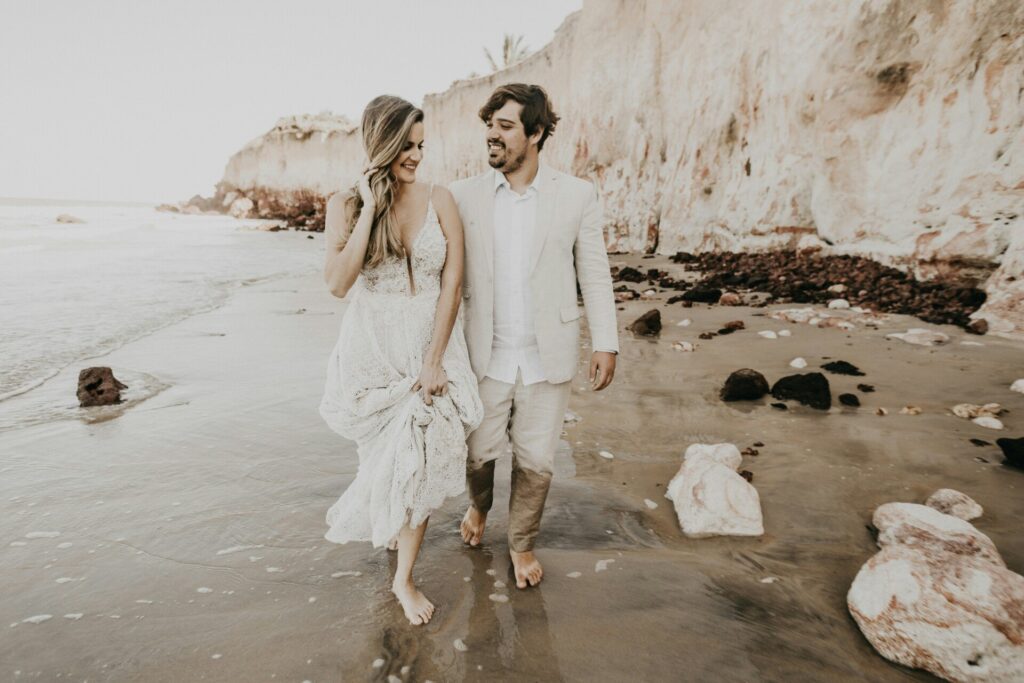
The other thing worth stealing is the commitment to ritual with actual meaning. Pick one tradition, whether from your own background or from a culture you’ve genuinely engaged with, and do it properly. Don’t bolt on a sand ceremony because it fills three minutes. Find the thing that means something to your family, to your history, and build the day around it. European bridal culture at its best isn’t about decoration. It’s about a couple standing inside something larger than the two of them.
Practically speaking, think about guest experience across the full day. A four-hour lunch sounds extravagant until you realize it’s where half the real conversation happens, where old friendships reconnect, where the photographs you’ll actually want to hang come from. Give your guests time to be present. Give yourself time to forget the camera is there. The only thing that separates a forgettable wedding from one people talk about for years is whether the day had any real weight to it.